“green bean treatment” search results (900)
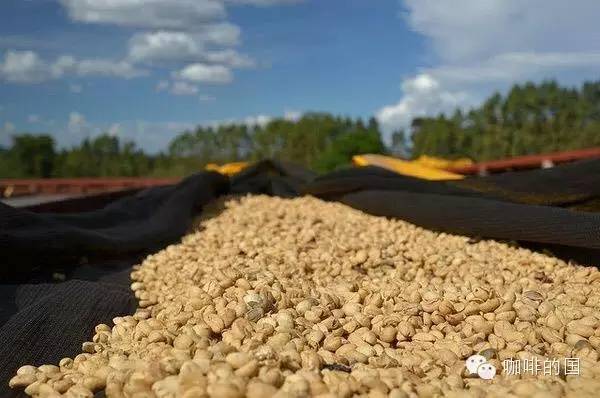
The treatment method of raw bean-- how to deal with raw bean in the sun
Solarization-the oldest bean-producing countries, Ethiopia and Yemen, almost all use the sun to get beans, take out the red fruit and half-green and half-red fast-ripening fruit that have sunk to the bottom of the trough, and spread them in a bean drying farm for natural drying. The time depends on the weather. It takes about two to four weeks to reduce the water content of the coffee beans in the fruit to 12% and harden, and then use a sheller to remove the stiff pulp and
2016-03-22 Raw beans treatment method sun how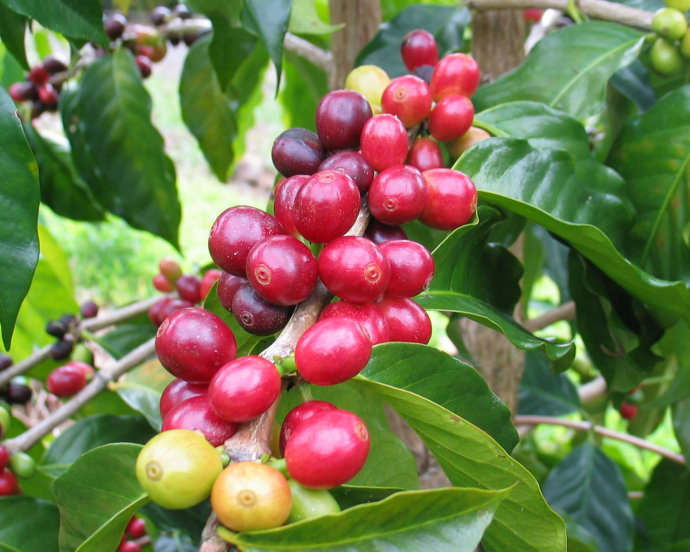
The process of Coffee Fruit from seed to growth to Post-harvest treatment Analysis of layered Anatomy of Coffee Bean
After the coffee flowers fade, they are replaced by small coffee fruits. The ripe coffee fruit is red and looks a bit like the familiar cherry, called coffee cherry. The freshman coffee fruit is green and turns red after ripening for about six months. After maturity, if it is not picked in time, it will slowly turn black. The color of mature coffee fruit is related to the variety, most coffee
2016-01-20 Coffee fruits seeds growth picking treatment process coffee beans stratification anatomy
Coffee Bean Selection Technology for Selecting High Quality Green Beans
First look at the surface of the beans, fresh high-quality raw beans, shiny surface, in addition, the treatment of good raw beans, uniform color, uneven surface color can not be called good beans, must choose uniform color when purchasing. Secondly, the particle size is consistent, which is also evidence of good quality management. Make sure the particle size is consistent when purchasing. Uniform coffee beans, can achieve consistency
2014-09-16 Coffee knowledge coffee bean picking picking coffee beans
Alcohol-rich Coffee Flavor description and Grinding degree treatment in Xida Moshachiso producing area of Ethiopia
The coffee producing areas of Ethiopia are Sidamo, Harald and Sidamo, Harrar and Yirgacheffe. Sidamo and Harrar are provinces and divisions. Sidamo is located in the south of Ethiopia bordering Kenya, and Harrar borders Somalia in the east of Ethiopia. Although Yirgacheffe is a community in the Sidamo region, due to soil composition and water content and other reasons.
2016-10-06 Thickness richness Ethiopia Dharma Shaquiso producing area coffee flavor description
High-quality coffee bean treatment: picking-berry treatment-drying
The coffee beans we are talking about are actually the seeds of a fruit similar to cherries. Coffee trees produce berries, called coffee berries, whose bright red color means they are ripe and ready to be picked. The fruit clustered on the branches. The outer skin (exocarp) of coffee berries is thick and bitter. However, the fruit (mesocarp) inside is very sweet and has the texture of grapes. And then there's parenchyma, which is like
2014-10-15 Coffee knowledge boutique coffee beans coffee bean treatment drying
The treatment of coffee beans the post-treatment of high-quality coffee beans and coffee fruits
Coffee beans must be disposed of immediately after harvest so as not to go bad. The producer will use two methods of treatment: the sun method and the cleaning method. An effective way to bask in the sun is to spread the berries flat in the yard and stir the dehydrated berries from time to time to make them evenly heated and breathable. Then put the dried berries into the machine, crush the shell, and remove the shell and a layer of parchment at the same time
2015-01-30 Coffee beans processing boutique coffee late stage coffee beans harvest after must horse
Colombia supremo manor coffee green beans
Colombia, the world's second-largest coffee producer, is far behind Brazil in terms of quantity, but higher in quality. Colombia is the world's largest producer of washed Arabica coffee, which tastes soft, sweet and properly processed with a hint of cocoa. This John's Private Coffee Colombia premium coffee (supremo) comes from Columbus
2015-09-14 Colombia quality supremo manor coffee green beans worldwide
Mechanical semi-washing method of coffee beans treatment of coffee fruit
Not all producing areas can use the Brazilian half-sun method. If the producing area with heavy moisture is allowed to take out the pectin pods and expose them outdoors, it is not only not easy to be dehydrated and hard, but also easy to parasitize molds. Therefore, mechanical semi-washing has been developed in areas with heavy humidity, which saves both labor and water. First, move the red fruit and the half-green and half-red fruit into the pulp sieving machine to get the sticky fruit.
2015-03-27 Coffee beans mechanical water washing methods coffee treatment not all producing areas all
Panamanian Rosa Coffee Story description of flavor and taste characteristics of Panamanian Rosa coffee bean hand-brewing parameters
In such a unique planting environment as Poquet, there is naturally not only the rose summer of emerald, the king of coffee, regardless of flavor, quality and value, but I think it is quite extravagant to drink rose summer every day, even if there is no economic pressure. it's not like eating shark's fin and bear's paw every day. So is coffee.
2022-10-12 Panama coffee taste coffee beans types introduction Bokui so day thick
The fruit of coffee tree is picked. Introduction to the process of how to make coffee.
In the washing type, the harvested fruit is poured into the sink, the floating matter is removed, the fruit in the water is moved to the pulp removal machine, the outer skin and pulp are removed, and then put back into the tank to remove the floating matter, the core in the water is poured into the fermentation tank, soaked for half a day or one day, the colloid on the surface of fermented beans is removed, washed, dried or mechanically dried, and the endocarp is removed on the sheller to form commercial raw coffee beans.
2016-10-20 Coffee tree fruit really coffee beans how to make process introduction washing harvest
90 + unique Flavor treatment Panamanian Manor Patent drying Technology Fine Coffee
In the flavor spectrum of 90 +, there is a Level logo. It is the number after the product name mark L. For example, L12-means Level 12. The Level is probably in proportion to the price. It represents the grading model of raw beans: according to quality, quantity, production cost, 90 + based on the original excellent raw beans, continue to grade as follows: Level 7: single production area harvest. Will taste meticulous and
2016-07-07 Ninety flavor unique treatment method Panama manor patent drying technology
Introduction to the characteristics of the method of grinding degree treatment for Ethiopian coffee with rich alcohol thickness
Ethiopia produces between 200000 and 250000 tons of coffee each year. Today, Ethiopia has become one of the largest coffee producers in the world, ranking 14th in the world and fourth in Africa. Ethiopia has a unique flavor that is different from other flavors and provides customers all over the world with a wide range of taste choices. In the southwest of Ethiopia
2016-10-08 Thickness richness Ethiopia coffee flavor description grinding treatment characteristics
Coffee bean treatment process coffee bean picking-berry treatment-drying
The coffee beans we are talking about are actually the seeds of a fruit similar to cherries. Coffee trees produce berries, called coffee berries, whose bright red color means they are ripe and ready to be picked. The fruit clustered on the branches. The outer skin (exocarp) of coffee berries is thick and bitter. However, the fruit (mesocarp) inside is very sweet and has the texture of grapes. And then there's parenchyma, which is like
2014-12-19 Coffee beans processing process picking berries drying we say coffee beans real
Introduction of coffee treatment method introduction of coffee tanning method and washing method
Pulped-natural, also known as honey treatment (Miel Process in Spanish), is said to refer to the process of making raw beans that are sun-dried with mucous membranes. The honey treatment process is vulnerable to pollution and mildew, so it needs to be closely watched throughout the process, constantly turning, and speeding up drying, so as to avoid bad fermentation flavor. Its advantage is that it can best preserve the original sweetness of the ripe fruit of coffee.
2016-07-11 Coffee treatment method introduction tanning washing
Ethiopian cooperatives introduce African boutique coffee beans
Production area of Sigiga Cooperative (1600-2500 m): Gedeo-Kochere Cochel members: 1862 people Land attribute: red Brown soil Certificate: Fair Trade Fair Trade, UTZ Sustainable cultivation, Organic Organic Coffee Finchewan Cooperative (1450-2000 m) production area: Gedeo-Wenago Vina members: 1271 people Land attribute: reddish Brown
2016-06-07 Ethel Searle Biya Cooperative introduction Africa Fine goods Coffee beans Sig
How to treat coffee beans
From: Eagle Health 2014-09-28 21:10:56 1. Sunning method--- Depending on the weather, it takes about two to four weeks to reduce the moisture content of the coffee beans in the fruit to 12%.
2015-11-03 coffee green beans processing method coffee beans way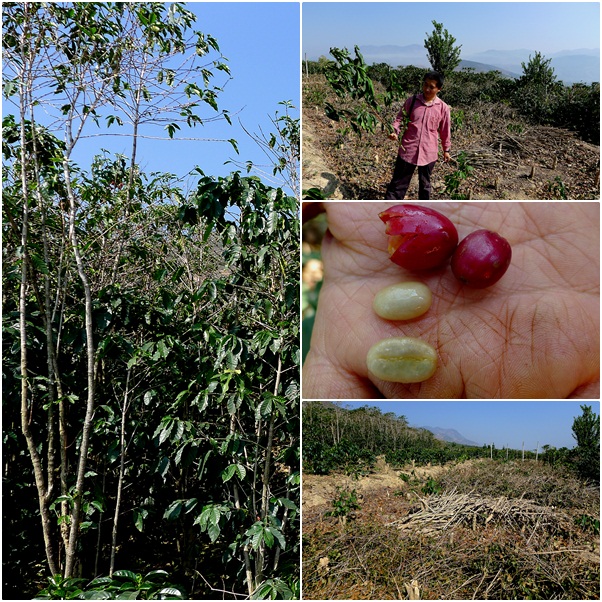
Is it Robusta or Arabica? Coffee bean variety Rwanda washing treatment bourbon variety
Coffee has more than a hundred varieties of coffee, the more common coffee are: Arabica Arabica, outstanding personality, unique flavor, is the main force of boutique coffee, mainly used for coffee shop management and high-end coffee market supply; Robusta Robusta, rough flavor, high caffeine content, not boutique coffee, often used for instant coffee processing and Italian coffee mixed beans. Ethiopia Typi
2016-04-22 Robes Booth or Rabbi Card Coffee beans varieties Rwanda washing
Characteristics of Panamanian coffee beans the characteristics of Panamanian coffee beans Rosa coffee
Mr. Wilford, the owner of the estate, in addition to the extremely strict treatment of coffee cultivation, the purification of raw beans after treatment is also more stringent than those of the same industry. In the case of Alida of Panama, after processing raw beans, it needs to go through more than 5 months of low-temperature Resting to remove green, so that the flavor of coffee can have a more balanced and full development. (low temperature Resting was developed by coffee guru George Howell at 20.
2016-07-18 Panama Coffee beans Allie Manor characteristics Rose Summer Coffee Manor owner Wil
The handling of coffee beans A coffee shop open all night in Changchun
Water washing-increase fruit acid spirit: water washing is the most popular treatment method at present, and water washing is used in almost all Central and South America except Brazil. The color of the washed beans is blue and green, the appearance of the beans is neat and the pulse is good, and the coffee quality is the highest. Generally speaking, the sour flavor and bright feeling of washed beans are better, and the flavor is clean and free of miscellaneous flavor, which is the most commonly used method for the treatment of fine coffee.
2016-06-04 Coffee beans handling way Changchun overnight business coffee shop
Analysis on the treatment process of raw coffee beans: picking-berry treatment-drying
The coffee beans we are talking about are actually the seeds of a fruit similar to cherries. Coffee trees produce berries, called coffee berries, whose bright red color means they are ripe and ready to be picked. The fruit clustered on the branches. The outer skin (exocarp) of coffee berries is thick and bitter. However, the fruit (mesocarp) inside is very sweet and has the texture of grapes. And then there's parenchyma, which is like
2015-04-17 Coffee raw beans processing process analysis picking berries drying what we said.